The Precarious State of Nigerian Agriculture: A Call for Systemic Transformation
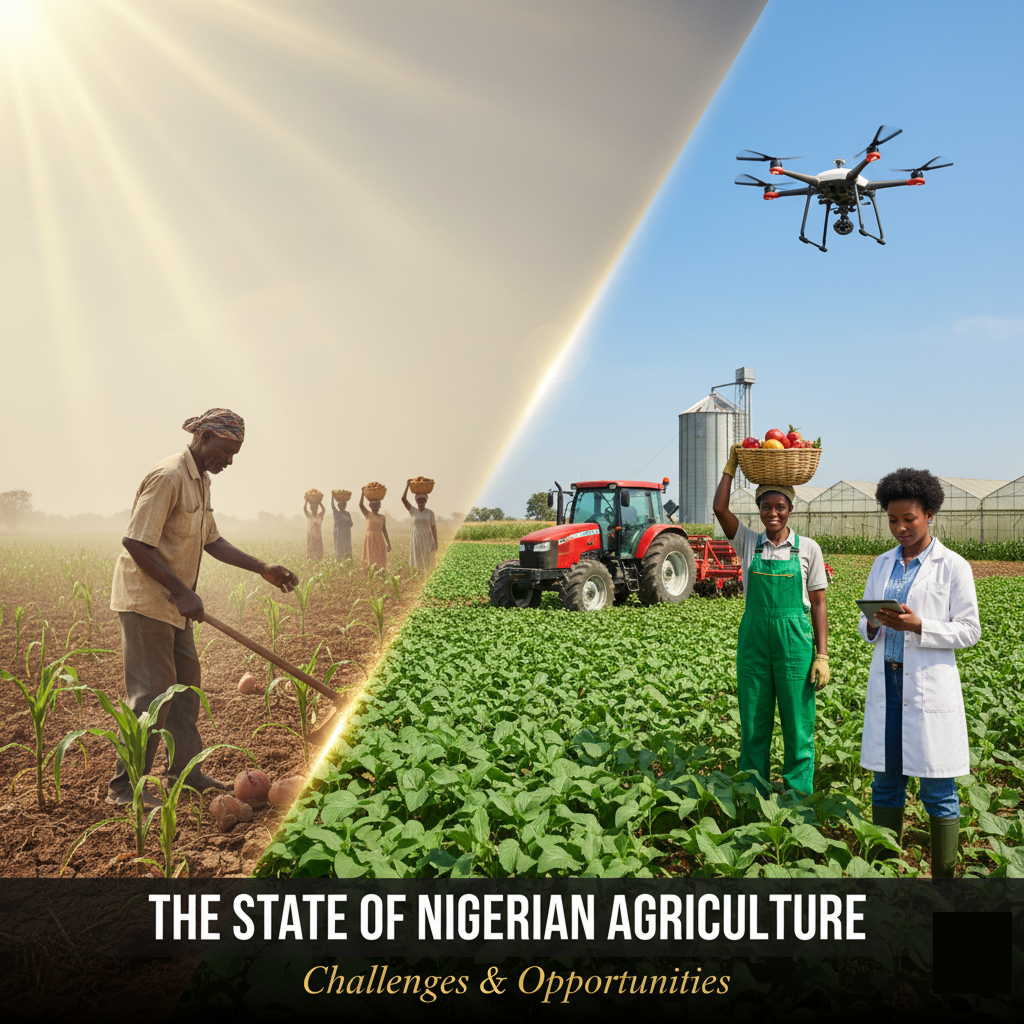
Nigeria’s agricultural sector, despite being a significant contributor to the nation’s GDP and the largest employer of its populace, is in a precarious state. The sector is characterized by low productivity, a heavy reliance on outdated and unsustainable farming practices, and a myriad of systemic challenges that stifle its growth and potential. From an academic standpoint, the current state of agriculture in Nigeria is a paradox of immense potential coexisting with deep-rooted inefficiencies.
A critical analysis reveals a sector dominated by smallholder farmers who cultivate modest plots of land with rudimentary tools and limited access to critical inputs such as improved seeds, fertilizers, and credit facilities. This subsistence-based approach, coupled with a rain-fed agricultural system, makes the sector highly vulnerable to the vagaries of climate change, leading to inconsistent yields and food insecurity.
Furthermore, pervasive insecurity in many food-producing regions has displaced farming communities and disrupted agricultural activities, exacerbating the already dire food situation. The economic landscape, marked by high inflation and rising costs of inputs, further squeezes the razor-thin profit margins of farmers.
Charting a Course for Agricultural Renaissance: A Multi-pronged Approach
To unlock Nigeria’s agricultural potential and transition from subsistence to a commercially viable and sustainable sector, a multi-pronged approach grounded in academic research and evidence-based strategies is imperative. The following are key areas that require immediate and concerted attention:
Modernizing Production Systems Through a “Smart” Revolution
The adoption of climate-smart and technology-driven agricultural practices is no longer an option but a necessity. This involves:
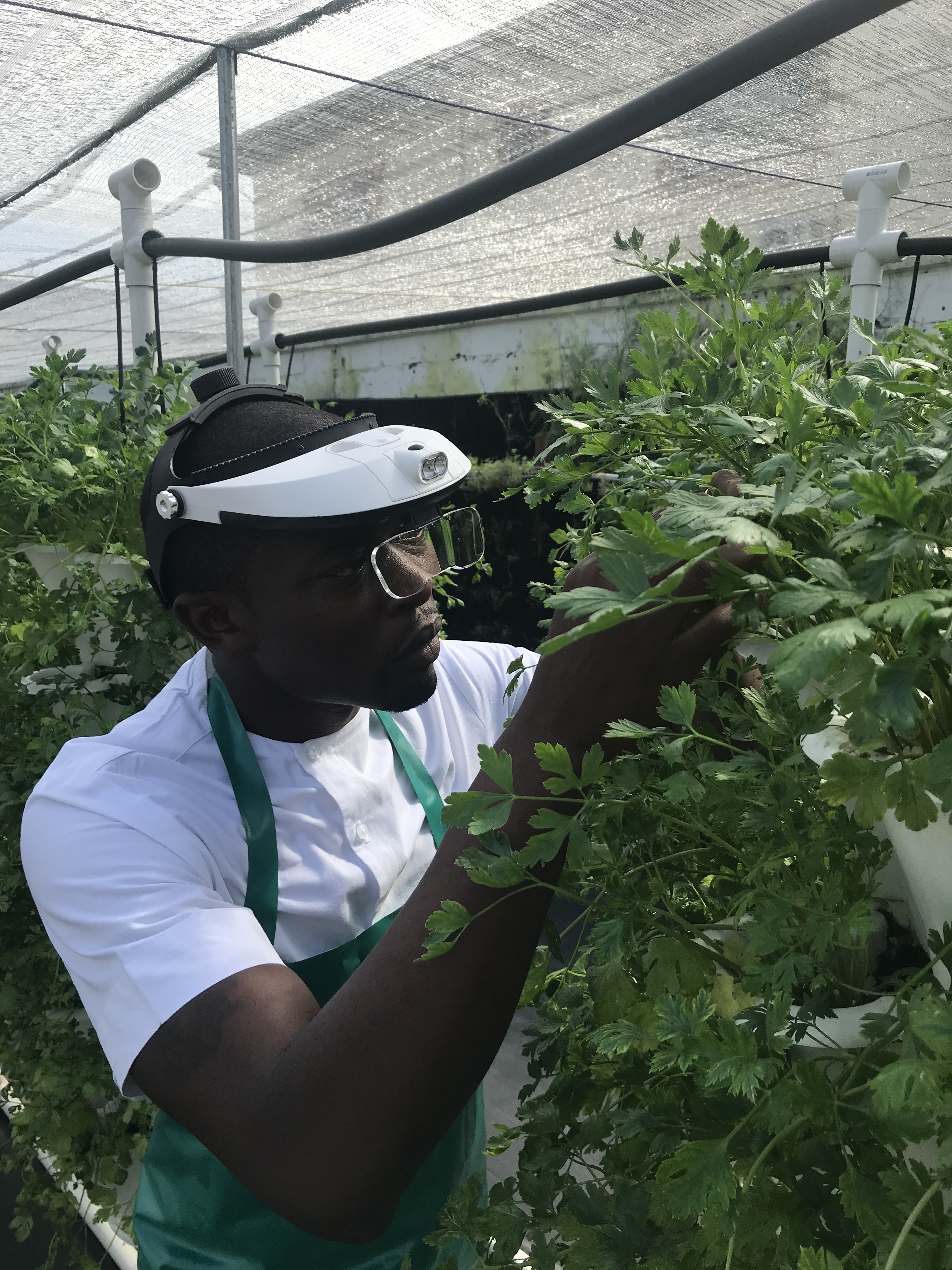
Precision Agriculture: Leveraging technologies such as GPS, remote sensing, and drones to optimize the use of inputs like water, fertilizers, and pesticides. This will not only enhance productivity but also minimize environmental impact.
Improved Seed Varieties and Biotechnology: Investing in research and development to produce high-yielding, disease-resistant, and climate-resilient crop varieties is crucial. Biotechnology offers immense potential in this regard.
Integrated Soil Fertility Management: Moving away from the blanket application of synthetic fertilizers to more sustainable practices that combine the use of organic and inorganic fertilizers to improve soil health and long-term fertility.
Reimagining Water Management with Efficient Irrigation
The over-reliance on rain-fed agriculture is a significant bottleneck. A paradigm shift towards efficient irrigation systems is critical for year-round production and mitigating the impacts of drought. This includes:
Promoting Small-Scale Irrigation: Empowering farmers with affordable and accessible irrigation technologies such as solar-powered pumps and drip irrigation systems can significantly boost productivity at the grassroots level.
Rehabilitation and Expansion of Large-Scale Irrigation Schemes: Revitalizing existing large-scale irrigation projects and developing new ones in strategic locations is essential for increasing the total land area under cultivation.
Fortifying the Agricultural Value Chain for Economic Prosperity
A significant portion of Nigeria’s agricultural produce is lost post-harvest due to poor handling, inadequate storage, and inefficient processing. Upgrading the agricultural value chain is paramount to reducing these losses and capturing more value. Key interventions should include:
Investing in Post-Harvest Infrastructure: The development of cold storage facilities, modern warehouses, and efficient transportation networks is critical to minimizing post-harvest losses and ensuring a steady supply of produce to markets.
Promoting Agro-Processing and Value Addition: Encouraging investment in agro-processing industries will not only reduce post-harvest losses but also create employment opportunities and increase the export potential of Nigerian agricultural products. This can be achieved through fiscal incentives and the creation of agricultural industrial parks.
Strengthening Market Linkages: Creating efficient and transparent market systems that connect farmers directly to consumers and industries will ensure fair prices for farmers and reduce the dominance of exploitative middlemen.
Cultivating a Supportive Ecosystem Through Policy and Finance
The transformation of Nigeria’s agricultural sector requires a conducive policy environment and innovative financing mechanisms. This entails:
Consistent and Coherent Agricultural Policies: The government must formulate and implement long-term, evidence-based agricultural policies that are consistent and predictable, creating a stable environment for investment.
Innovative Agricultural Financing: Moving beyond traditional credit models to more innovative financing mechanisms such as blended finance, value chain financing, and agricultural insurance is crucial to de-risk the sector and attract private investment.
Strengthening Extension Services: Revitalizing and modernizing agricultural extension services to effectively disseminate knowledge, technologies, and best practices to farmers is fundamental to driving productivity at the farm level.
In conclusion, the path to a vibrant and prosperous agricultural sector in Nigeria lies in a holistic and systemic transformation. It requires a departure from the business-as-usual approach and a bold embrace of innovation, technology, and strategic investments across the entire agricultural value chain. Only then can Nigeria truly harness its agricultural potential to achieve food security, drive economic growth, and improve the livelihoods of its millions of farmers.